

The SEO industry is one of those fields where things are always changing. New algorithms pop up, tools evolve, and suddenly, what worked last year might not cut it anymore. So, how are SEO pros keeping up? Let’s dive into what’s happening in the world of learning and development for SEO professionals, backed by some data from the industry itself.
We asked the industry to participate in a Google form and received over 130 participants from different businesses worldwide. Our form was set to the local UK currency – so we will continue to refer to pounds.
Who’s Working in SEO, and What Do Their Teams Look Like?
Let’s talk about who’s actually doing the SEO work out there. Our data shows that most SEO professionals are pretty seasoned— of those polled, 35% are in Mid-Level roles, 31% are Seniors, and 29% are Team Leaders. Over recent years, we have seen the recruiting demands of experienced SEOs to join agencies, with it being incredibly hard to get entry-level SEO roles due to cost and commitment to training junior SEOs.
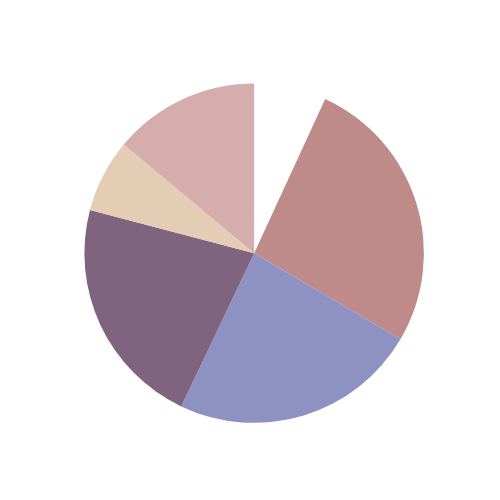
A lot of folks have been in the game for a while. They are now taking on bigger responsibilities, whether it’s leading teams, crafting strategies, or driving entire digital marketing efforts. So why does this matter? Well, it tells us that the SEO industry has grown up. It’s not just a playground for people trying to get their foot in the door. A solid chunk of the workforce has been around, knows their stuff, and is likely pushing for more advanced, specialised training. They’ve moved past the basics and are now looking to dive deep into areas like Technical SEO and Data Analytics—crucial things if you want to stay ahead of the competition.
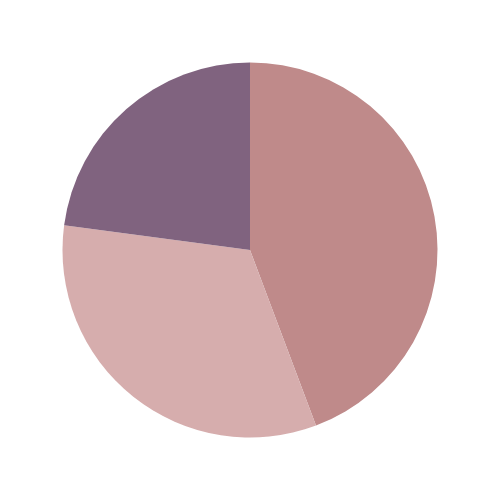
But here’s another interesting bit: while the average SEO team size is about 29 members, almost 45% of respondents are working in much smaller setups—teams with fewer than 10 people, or even solo as freelancers or contractors. These smaller teams or lone wolves can’t just coast on the basics; they need to be jacks of all trades, mastering a variety of SEO skills to really make an impact.
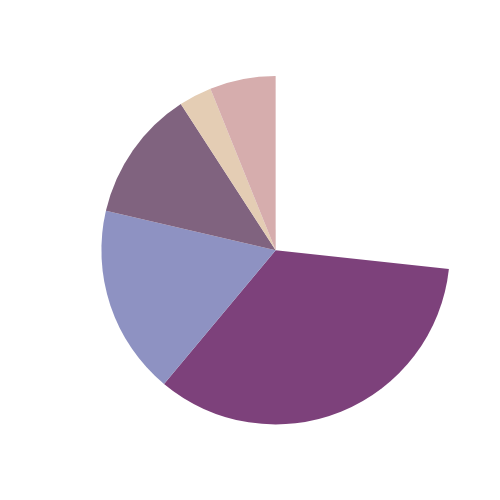
In bigger teams, where there’s more room to specialise, senior-level pros are likely driving a more structured approach to training. These teams probably have a mix of experience levels, so they need training that caters to everyone—from the newbies who need to learn the ropes, to the seasoned pros looking to sharpen their edge.
All in all, the seniority level in SEO roles shows that the industry needs a layered approach to training. Whether you’re a seasoned expert or just starting out, having access to the right training is key to growing your skills and staying competitive.
Learning on a Budget (or Lack of One)
Money—or the lack of it—is a big talking point when it comes to learning and development in the SEO world. The reality is that a lot of SEO pros are working with pretty tight budgets. In fact, the data shows that a whopping 78 people said they have no set budget for learning and development. Half (~37) of the participants later commented that team members can apply for budget and there are no set limits; others suggested that learning is the individuals’ responsibility. That means many folks are either digging into their pockets or finding creative ways to keep their skills sharp without spending a fortune.

For those who do have a budget, it’s usually on the modest side. 19 people said they have up to £1000 per person, and another 19 are working with just up to £500 per person. There are a few lucky ones with budgets of £2000 or more, but they’re definitely in the minority (8 people).
A lot of SEOs are turning to affordable or even free resources—think webinars, blogs, online communities, and free courses. They’re making do with what they can get without breaking the bank. But it also means they might miss out on more in-depth, high-quality training that could take their skills to the next level.
The challenge for teams with a bit more to spend is making that budget stretch as far as possible. They’re likely being strategic about where they invest—maybe they’re spending on a few key courses or certifications that offer the biggest bang for their buck. But even with a budget, it’s clear that cost is a huge factor in people’s decisions about their learning and development.
What Are People Trying to Learn?
SEO isn’t just about keywords and backlinks anymore. The data shows a strong demand for training in areas like Technical SEO (81 mentions), Data Analytics (74 mentions), and industry-specific SEO practices—whether for E-commerce, SaaS, or something else.
These are the areas where professionals feel they need more knowledge, and they’re looking for training that goes beyond the basics. If you’re just offering entry-level courses, you might not meet the needs of a big part of the market.

“Understand where the industry is headed. Get the skills that will enable you to do this in a sustainable manner for years to come, no matter what Google throws your way.
– Myriam Jessier, Neurospicy.agency
Get comfortable with data and extract the most value out of it to differentiate your SEO strategy from the competition. Gain the situational awareness required to succeed”
How Are SEO Pros Learning?
The data paints a pretty clear picture—online courses are the go-to method for most people, with 95 mentions. It’s not hard to see why. Online courses offer flexibility, letting you learn at your own pace, and they cover just about any topic you can think of. Whether you’re brushing up on the basics or diving deep into something niche like Faceted Navigation in e-commerce, there’s a course out there for you.
But online courses aren’t the only game in town. Conferences are also a big deal, with 81 mentions in the data. There’s something about the energy of a good conference—the networking, the expert speakers, the chance to learn about the latest trends and tools in the industry. Plus, they’re a great way to break out of your bubble and see what’s working for other professionals in the field.
Then there’s personal development and research time, which got 75 mentions. This is all about self-directed learning—reading articles, watching videos, experimenting with new tools, and just generally keeping up with what’s happening in the SEO world. For a lot of people, this kind of learning happens organically as part of their day-to-day work. It’s not formal, but it’s crucial for staying current.
Internal training sessions also play a significant role, with 56 mentions. These are especially common in larger teams where there’s a need to standardise knowledge and ensure everyone’s on the same page. Whether it’s a lunch-and-learn session, a workshop, or a structured training program, these sessions are a great way to share knowledge within a team and tackle specific challenges together.
Mentoring and coaching, with 49 mentions, are also key ways SEO pros are learning. Having a mentor can be a game-changer, offering personalised guidance and helping you navigate the complexities of the field. Whether it’s one-on-one coaching or informal mentoring within a team, this approach is all about learning from someone else’s experience and applying it to your work.
However, how people learn often depends on their team size. Smaller teams (under 10 members) tend to lean heavily on online courses and self-directed learning because it’s more flexible and easier to fit into a busy schedule. In contrast, larger teams (those with 100+ members) are more likely to have structured internal training programs, maybe even with a dedicated learning and development manager steering the ship.
What’s clear from the data is that SEO pros are resourceful learners. Whether taking formal courses, attending conferences, or learning on the fly through personal research, they’re finding ways to stay ahead in a constantly changing industry. The mix of methods shows that there’s no one-size-fits-all approach—what works for one person or team might not work for another. But the key takeaway is that continuous learning is a must, no matter how you go about it.
Does Team Size Matter in Training?
Team size can definitely play a role in how training works. Smaller teams might need more resources, but they often benefit from more personalised, targeted training. For instance, smaller teams are more likely to engage in online courses and personal development, which can be tailored to their immediate needs. On the flip side, larger teams have more resources but might need more support to deliver consistent training across the board.
Interestingly, the data shows a modest negative correlation (-0.27) between team size and the budget per individual for learning and development. As team sizes grow, the per-person budget tends to decrease. Larger teams might have more collective resources but less flexibility in per-person spending, which could affect the quality and focus of the training provided.
Some SEO teams have managed to grow into huge departments and still dedicate significant budgets to learning and development. The SEO Works, has done this by having a dedicated learning and development team and encouraging peers to run training sessions.

“Training is crucial for every role and the biggest challenge can be creating training for everyone across a range of roles. I definitely identify with the findings that each role needs to be considered, and this is an approach that we take. We are always conscious of the format of training, and adding interactive elements too to keep it engaging. It’s important to have a lot of people enthusiastic about delivering training and encouraging a culture of knowledge sharing and teamwork.”
– Stephanie Hodgekinson, The SEO Works
Role Matters—A Lot
It’s not just team size that affects training success—what role you’re in makes a big difference, too. Let’s break it down. If you’re in a specialised role—like a Technical SEO specialist or a Data Analyst—you need training that’s laser-focused on your specific area. For example, a Technical SEO is probably looking to master site speed optimisation, JavaScript Optimisation, or maybe even some hardcore coding. They don’t need a basic overview of SEO; they need deep dives into the nitty-gritty stuff that can make or break a site’s performance. The same goes for Data Analysts—they’re looking for advanced training in analytics tools, data interpretation, and how to turn raw numbers to tell a story.
On the flip side, your learning needs are different if you’re in a leadership role. You’re not just thinking about SEO tactics; you’re thinking about how to lead a team, strategise for long-term success, and communicate effectively with your team and upper management. For these roles, training often focuses more on soft skills—like communication, team management, and strategic thinking—because being a great leader is just as important as knowing the latest SEO trends.
But it’s not just about those at the top. If you’re in an entry-level or junior role, the focus is on building a solid foundation. This is where you’re learning the basics—keyword research, on-page optimisation, content strategy—all the core skills that will set you up for success as you progress in your career. The data shows that these roles benefit most from foundational training designed to get you up to speed quickly and prepare you for more complex responsibilities.

“It’s a common career path for most SEOs – you start your career and keep learning as much as you can, applying what you’ve learned to client projects and enjoying success. As time goes on, you get promoted a couple of times and eventually, you are promoted into a role where your primary focus is no longer delivering SEO – it’s managing a team of people whose job it is to deliver SEO.
The problem is, the skills required to do this are very different to the SEO skills that you’ve learned so far. An even deeper problem is that the vast majority of people don’t receive any training on these vital skills before starting to manage people. What success looks like as a manager and leader isn’t about your own ability to deliver SEO solutions but rather, your ability to enable others to do it – it’s a weird feeling and adaptation to make.
– Paddy Moogan, The New Leader
As a result, learning and development for a leader looks more like learning to understand, listen to, and motivate people. Some of this can be learned very quickly – such as running good one-on-one meetings or creating engaging personal development plans. Whilst other skills such as patience and empathy naturally take time and experience.
Either way, the mindset of a leader, as well as their approach to learning and development needs to change a lot compared with the mindset of an SEO.”
Tailoring Training for Maximum Impact
So why does all this matter? Because a one-size-fits-all approach to training just doesn’t work.
First off, it all starts with a solid needs assessment. You’ve got to figure out what each role really needs. For example, a content strategist isn’t going to benefit much from a course on technical SEO—what they really need is training on content optimisation, digital PR, or maybe even how to create content clusters. On the flip side, a technical lead needs something totally different, like deep dives into site speed, mobile optimisation, or even the latest in schema markup. The key here is knowing exactly what skills each role requires and then aligning your training to meet those needs.
Next up is setting clear learning objectives that are super specific to the role. It’s not enough to just say, “I want to improve at SEO.” You’ve got to get detailed. If you’re a team leader, maybe your goal is to learn how to manage an SEO team more effectively or how to develop a long-term SEO strategy that aligns with your company’s business goals. For a junior SEO, the objective might be mastering the basics of keyword research or learning the ins and outs of Google Analytics. Whatever the role, the goals must be crystal clear and tied directly to what that person does every day.
Once you have the objectives, it’s time to design the training content. This is where the magic happens—if the content isn’t relevant, it won’t stick. You need to create materials that resonate with the specific challenges and responsibilities of each role. This could mean using real-world case studies, role-specific scenarios, or even practical exercises that allow learners to apply what they’ve learned to their work directly. For example, a Technical SEO might work through a hands-on site audit, while a content strategist might be tasked with optimising a piece of content for search engines.
And let’s not forget about the delivery method. Different roles might benefit from different types of training. For some, online courses are perfect because they offer flexibility and can be done at their own pace. For others, especially those in leadership roles, workshops or mentoring might be more effective, offering the chance for interaction, discussion, and personalised guidance. The data shows that blended learning—combining online courses with in-person sessions, mentoring, and personal development time—is becoming increasingly popular because it offers the best of both worlds.
However, tailoring training doesn’t stop once the course is over. It’s all about ongoing learning and feedback. Regular check-ins, assessments, and opportunities to apply new skills in real-world settings are key to making sure the training sticks. And don’t forget to measure the impact—track how the training is affecting performance, whether it’s improving site rankings, increasing traffic, or boosting conversion rates.
The SEO industry is evolving fast, and so are the learning and development needs of those working in it. Whether you’re in a small team or a large one, in a leadership role, or just starting out, the way you approach learning will impact your success. By understanding the current state of training—what’s working, what’s not, and where the gaps are—professionals and organisations alike can better prepare for the future.
Investing in the right kind of training, tailored to your specific needs, isn’t just a nice-to-have; it’s essential for staying competitive. With the right focus on quality, relevance, and accessibility, the SEO industry can continue to grow and thrive in the face of new challenges and opportunities.

Billie Geena
Founder of RankSuite, SEO consultant, occasional sh*tposter